

This week’s maker is Willis Tang, a student from the School of Medicine. We caught up with them to see what they have been making.
Q: What did you create?
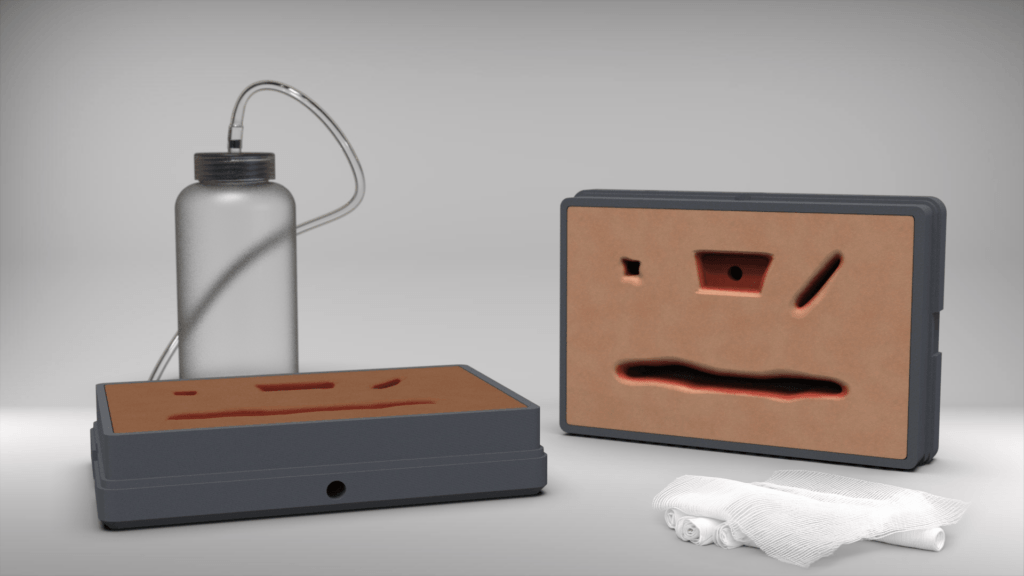
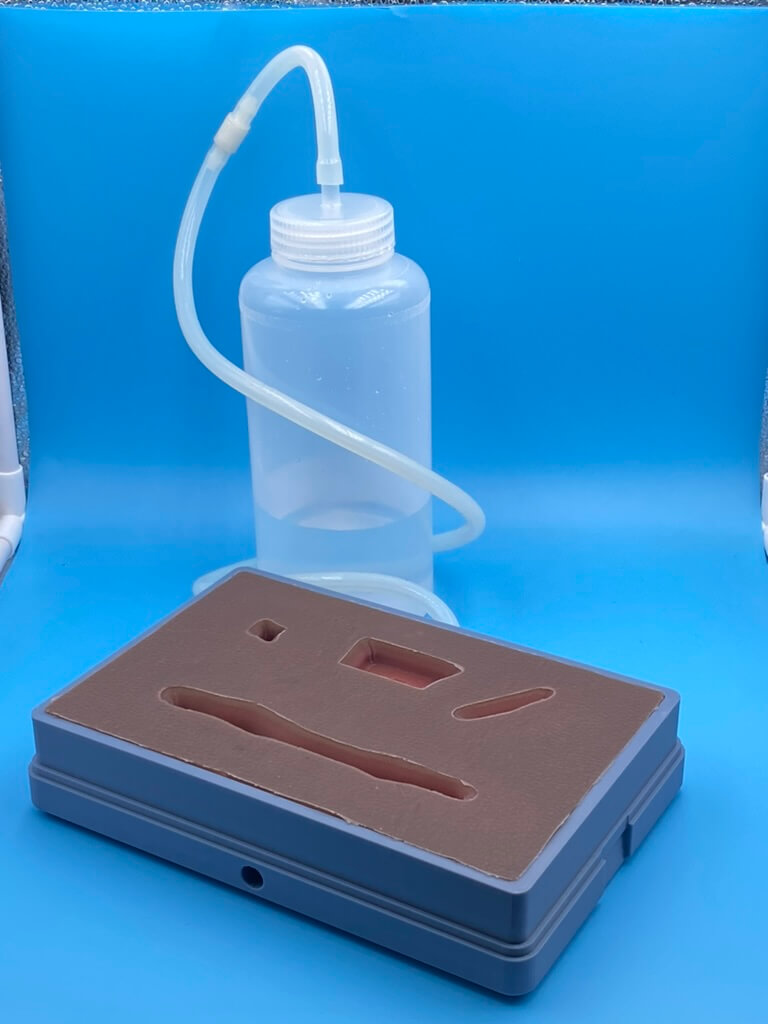
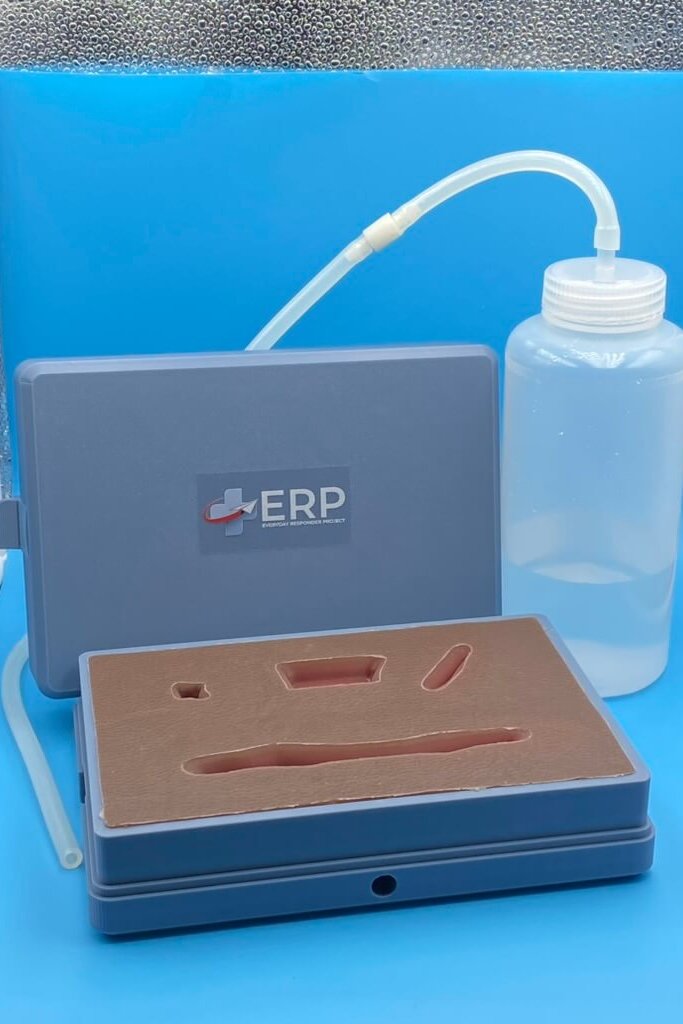
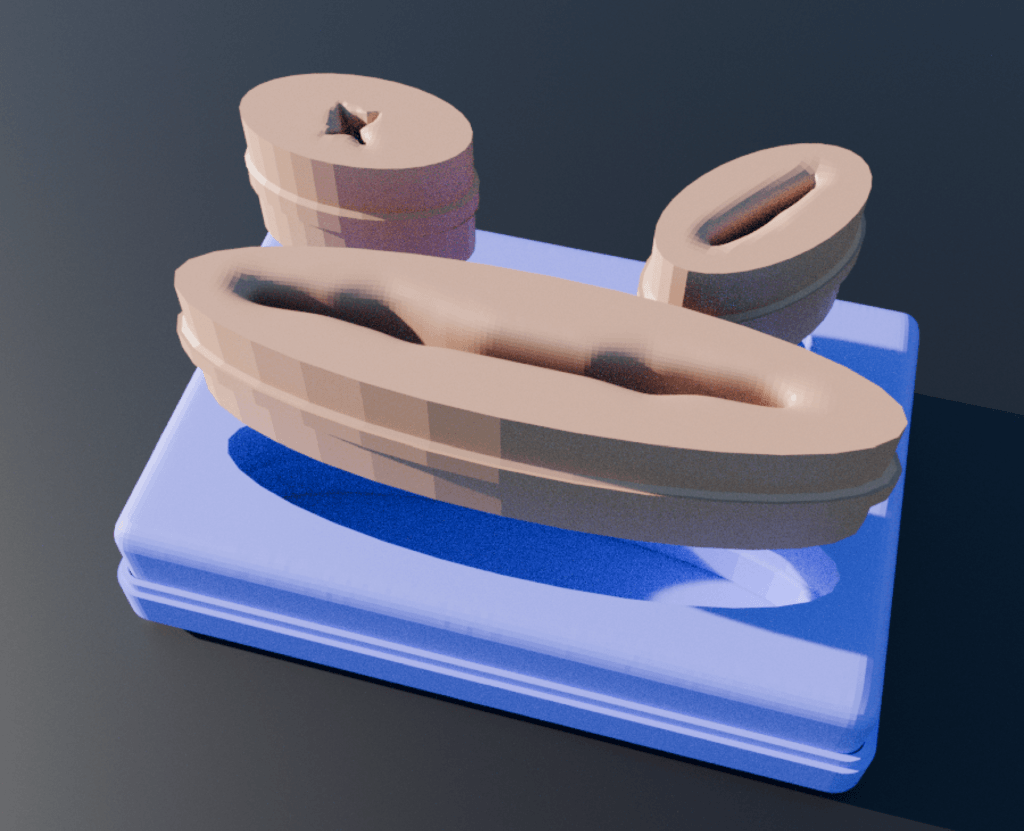
In collaboration with the UCSF Makers Lab, I created a cost-effective, multi-wound bleeding control trainer that simulates bleeds from common traumatic injuries (avulsion, gunshot wounds, stab wounds, deep cuts) for individuals to practice wound packing for emergency hemorrhage control. My goal was to design a trainer that could be produced at scale and easily deployed by organizations focused on health education and global health, particularly those working in resource-limited settings.
Q: Why did you decide to create it?
I currently lead the Everyday Responder Project, a health education nonprofit that focuses on providing accessible, comprehensive first-aid training for everyone. One issue we ran into as we scaled our operations was the exceedingly high cost of commercial bleed control trainers (which often cost hundreds of dollars per unit). To meet the increasing demand from our students, we initially followed suggestions online to recreate these trainers with cheap materials like pool noodles or yoga blocks, but we found that they lacked realism and needed to be replaced frequently. Thus, I wanted to explore ways to create an affordable tool that was durable enough to withstand repeated use while offering a diverse selection of wound types for different emergency scenarios. Our current model can be produced for less than $30.
Q: What was your process like?
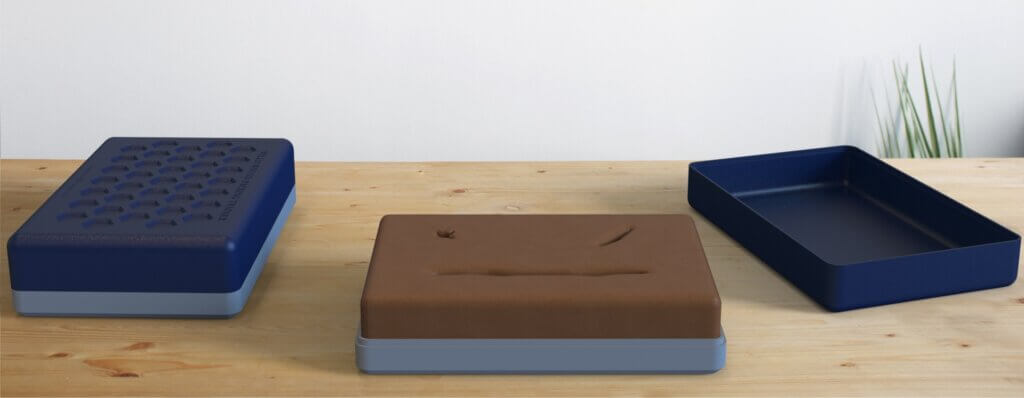
We began by casting the trainer as a solid block of silicone with a stab wound, gunshot wound, and large laceration sculpted directly into the surface. However, we quickly found that this approach was too heavy, expensive, and inefficient for large-scale production. To address these issues, we transitioned to a 3D-printed plastic base with cutout slots shaped for individual wound inserts, which significantly reduced both weight and material cost. Early prototypes also had an overly glossy surface that attracted debris, so we refined our molding process to incorporate subtle texture patterns on the top layer, resolving the issue. Additionally, based on physician feedback, we added a more shallow skin tear-type wound to broaden the range of injury patterns represented in the trainer. We also added attachment ports behind each wound to accommodate tubing connected to a small bottle reservoir to simulate active bleeding.
Q: What was the most challenging part of the process?
The most challenging part was fine-tuning the silicone casting process to achieve a realistic feel while also developing a consistent, repeatable workflow. Creating a standardized protocol that could reliably reproduce each trainer took multiple iterations and required balancing durability, texture, and manufacturing efficiency.
Q: What was your favorite part of the process?
My favorite part of the process was seeing the trainer used in a classroom for the first time. Our active bleeding simulations required rapid intervention from students, creating a highly immersive learning experience. This time-sensitive setup helped students grasp not only the proper technique, but the urgency of real-world bleeding emergencies. Additionally, the trainer withstood hundreds of uses without any signs of wear, which confirmed the durability of our design.
Q: How has this project contributed to your education?
Working with the Makers Lab and emergency physicians at UCSF to create our trainer has been a great learning experience. This project taught me how to identify real-world problems and translate my abstract ideas into effective, practical solutions. Moreover, I have always been interested in medical devices, so learning to work with materials like silicone and 3D-printed components was especially meaningful.
Q: What do you plan to create next?
I hope to streamline the modeling process further to make production even more accessible and cost-effective. I’m also exploring additional features, such as modular, exchangeable wound components and powered pump systems that better simulate high-pressure arterial bleeds, to further enhance the realism and educational value of these trainers.