Polina Ilieva
Polina is the Associate University Librarian for Archives and Special Collections and Library Development, UCSF Archivist

Q&A with Spring 2026 Archives Interns

The UCSF Library’s Archives and Special Collections welcomed four interns this spring, Jena Barnes, Hannah Herrick, Natasha Hutnick, and Muyun Tsen. We asked them to reflect on their internship experience and how it supported their professional growth. Their insights offer a glimpse into what it’s like to explore rare materials, contribute to digital preservation efforts, and the kinds of skills one can build through the archival profession.

Jena Barnes

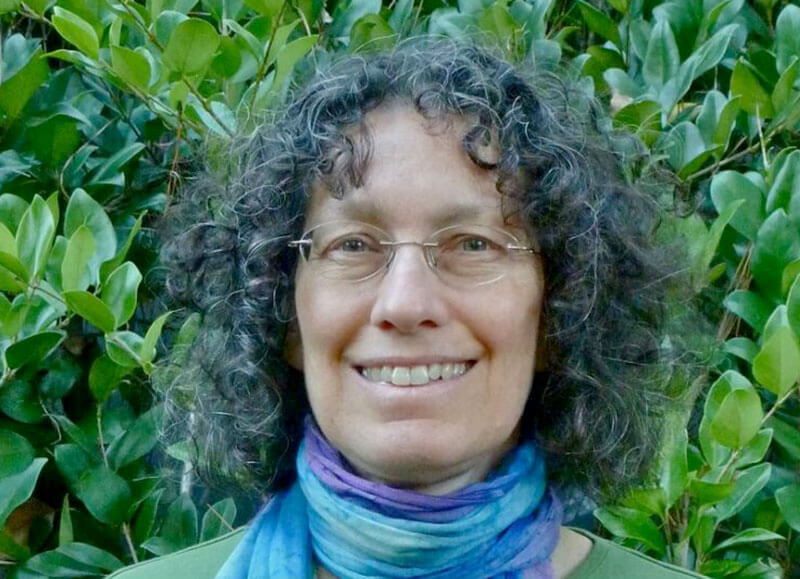
Jena Barnes outdoors and smiling.

Q: What was your internship title?

I am the UCSF Archives and Special Collections accessions intern.

Q: Who was your internship mentor?

Director of ASC Research and Collection Management, Peggy Tran-Le

Q: What did you intend to learn by accepting this internship opportunity?

I’ve been fortunate to have previous archival internships. There I gained experience with processing, digitization and reference, so I was eager to learn more about the accessioning process. Accessioning is typically the first step of adding a collection to an archive. It is where archivists establish intellectual, legal, and physical control over new collections. I also have prior experience in different archival settings (a museum archive, a federal archive, and a smaller regional performing arts archive), so I was very interested in learning more about how academic archives operate and what similarities (and differences) exist in these environments.

Q: What skills did you build during your internship?

I have become very familiar with the accessioning process, particularly using the ArchivesSpace software to create accession records and the corresponding resource records. I’ve been working on a collection called the University Archives Legacy Classification System. This is a huge collection holding records for all academic departments, administrative offices, affiliated hospitals, research centers, organizations, and associations. These records span the late 19th century to 2006, and because of the size of this collection, it was very overwhelming at first, but this experience has given me a lot of confidence in my ability to tackle large projects. 

Q: What was your most exciting memory?

I came across a mock-up for a School of Dentistry yearbook from 1906. Students had begun the design for the yearbook, cutting and pasting the different sections into place and determining how everything would be laid out, but their work was interrupted by the 1906 earthquake and ensuing fire that destroyed a large portion of the city. Because of this disaster, there appears to be no official yearbook for that year; this mock-up is the only thing we have.

Q: How does this experience fit with your career goals? 

I previously studied materials science and engineering. It is my goal to combine my background in scientific research with my archival training to work in an academic setting that serves scientific researchers and students. My time at UCSF Library has allowed me to gain invaluable experience as an archivist in an academic environment.

Hannah Herrick

Hannah Herrick outdoors and smiling.

Q: What was your internship title?

I am the processing intern for the UCSF Archive and Special Collections.

Q: Who was your internship mentor?

Director of ASC Research and Collection Management, Peggy Tran-Le

Q: What did you intend to learn by accepting this internship opportunity?

In my masters program, I focused my studies on archival practices, preservation methods and information organization. I was interested in finding a position to deepen my learning, apply my academic knowledge in a hands-on environment and allow me to contribute to the preservation, organization and accessibility of archival collections.

Q: What skills did you build during your internship?

I developed my collection processing skills, particularly best practices in arrangement, description, preservation, and metadata. First I arrange archival collections by applying principles of provenance and original order to organize materials logically and consistently. Next I describe archival collections by creating DACS-compliant finding aids and enter descriptive metadata in ArchivesSpace and description to increase access to archival resources. Additionally, I preserve physical archival materials by rehousing paper-based records in appropriate enclosures and perform basic preservation measures to ensure long-term usability.

Q: What was your most exciting memory?

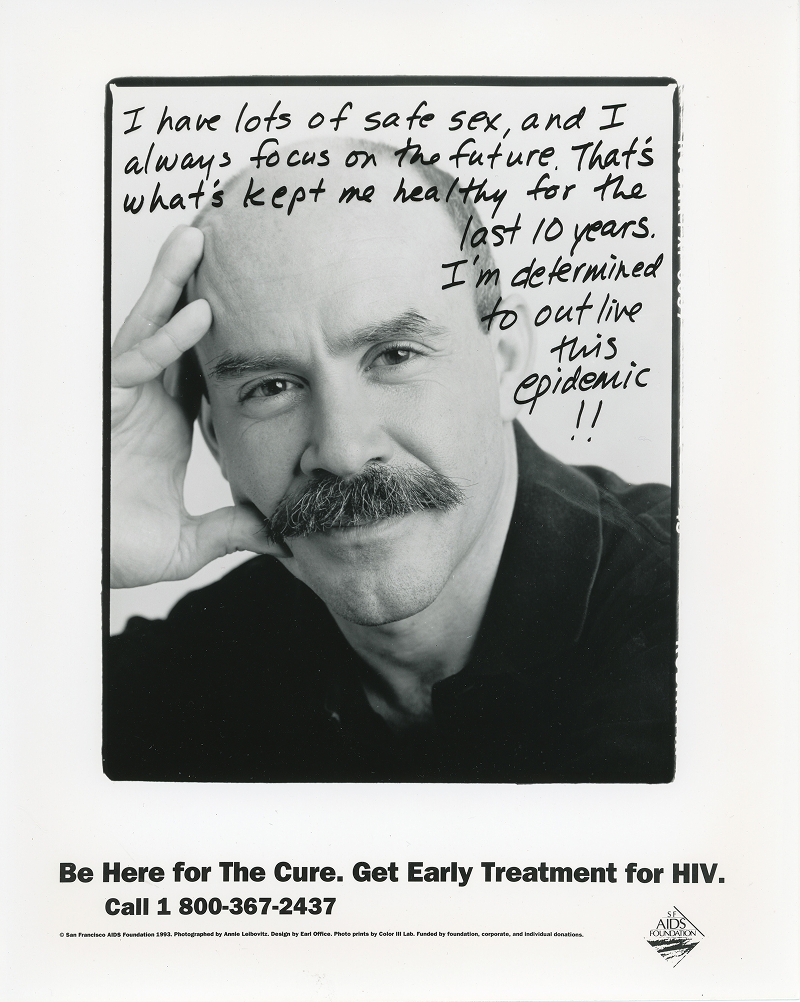
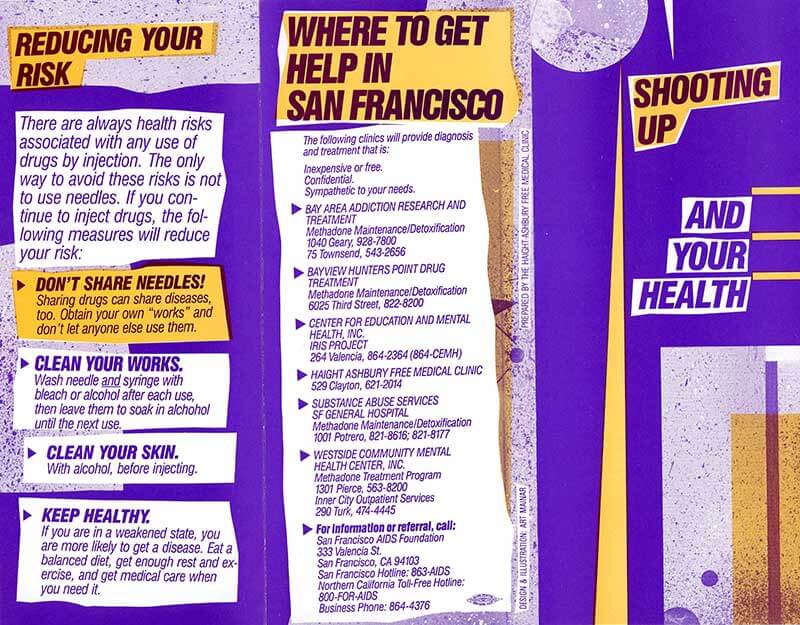
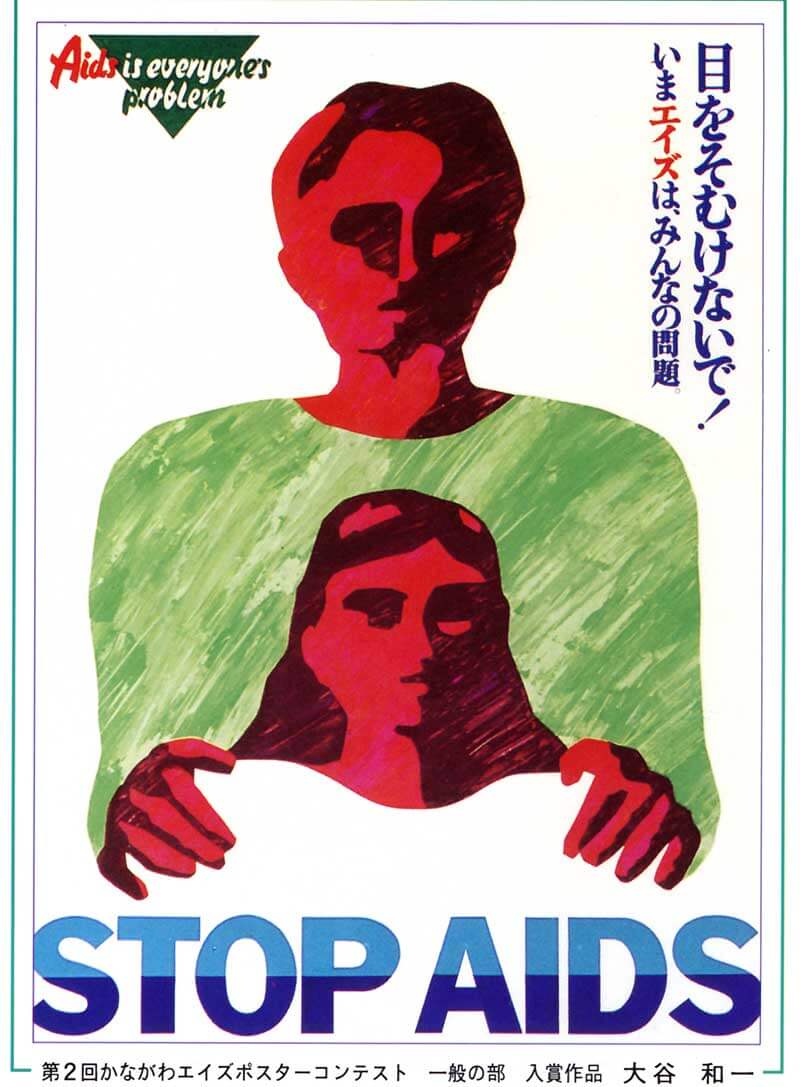
The opportunity to process collections from scientists, doctors, and activists that played a huge role in the fight against the AIDS epidemic in San Francisco. These collections cover the efforts toward prevention, treatment, awareness, and political advocacy. Additionally, the welcoming environment created by the Archives and Special Collection team has made this experience exciting and rewarding.

Q: How does this experience fit with your career goals?

I am pursing a career as an archivist. From this internship, I have developed consistency in descriptive practices and understanding of how logical arrangement and description support discovery and access. I am particularly passionate about the organization and preservation aspects of processing collections to make information findable and ultimately more accessible to preserve and pass on collective memory.

Natasha (Tasha) Hutnick

Tasha Hutnick smiling

Q: What was your internship title?

Minimal computing intern

Q: Who was your internship mentor?

Digital Health Humanities Program Coordinator, Sean Purcell

Q: What did you intend to learn by accepting this internship opportunity?

I intended to gain experience with front-end development for a static learning platform. I also wanted to gain some experience working with lesson plans.

Q: What skills did you build during your internship?

During my internship, I built skills in:

  • Development and deployment of a Jekyll theme
  • Front-end development that met style guide requirements as well as web content accessibility guidelines
  • Open educational resource development
  • Grant editing
  • Lesson plan editing

Q: What was your most exciting memory?

My most exciting memories were attending the Advancing Digital Health Humanities Institute (ADDHI) Symposium and deploying the ADDHI Toolkit’s theme. I loved meeting everyone involved in ADHHI, hearing about their projects, and discussing our experiences working in the digital humanities and the digital health humanities. As for deploying the theme, this project was my first experience creating a Jekyll theme. I was particularly excited to develop a static learning platform theme designed for other educators to use outside of the ADHHI Toolkit.

Q: How does this experience fit with your career goals?

Ultimately, I’d like to be in a position where I can build digital resources that help others. I am particularly interested in developing open educational resources (OER). This internship not only gave me experience with developing OER, but also improving my skills for a potential career in higher education.

Muyun Tsen

Muyun Tsen outdoors and smiling.

Q: What was your internship title?

Digital projects intern at the UCSF Archives and Special Collections

Q: Who was your internship mentor?

Digital Archivist, Lisa Nguyen

Q: What did you intend to learn by accepting this internship opportunity?

Coming from a health data science background, I usually work with clean, structured data. I was curious about the workflow for transforming unstructured, historical information into machine-readable assets. My goal was to understand metadata construction and archival standards, specifically how they differ from the clinical schemas I’m accustomed to. I wanted to learn the backstory of the data I used to become a more nuanced analyst who understands the lifecycle of the information I analyze.

Q: What skills did you build during your internship?

This internship allowed me to bridge the gap between traditional historical preservation and modern health informatics. On the archival side, I gained hands-on proficiency in metadata curation and managing physical and digital assets. On the data science side, I became familiar with building automated document-processing pipelines and using vision-language models to transcribe thousands of clinical records. Combining both sides has allowed me to understand the unique obstacles of historical preservation and to be more adept at troubleshooting digitization workflows.

Q: What was your most exciting memory?

I’ve enjoyed looking through and reading all the historical documents. It is genuinely fascinating to see how people conceptualized medicine hundreds of years ago compared to how it is conceptualized today. Finding those rare, hidden details in the records has been a highlight. For instance, in our East Asian collection, I saw amazingly detailed woodblock prints of anatomical and botanical diagrams from centuries ago!

Q: How does this experience fit with your career goals?

I’m deeply interested in continuing to work with health and historical data, and this internship helped me explore the breadth of what that can look like. Through this internship, I realized how much I enjoy building the data infrastructure that powers research. Overall, this experience has refined my career path. It showed me the importance of bridging the gap between technical data science and the history of the data and actively critique data provenance and bias.


About the internship program

The UCSF Archives Internship Program provides students with an opportunity to gain valuable hands-on archival experience while earning course credit. For over 15 years, the program has provided interns with experiential learning that they can apply successfully in libraries, archives, museums, and higher education. As many library and information science master’s programs are now offered fully online, in-person internships provide an opportunity to gain practical, hands-on experience working with archival collections, systems, and professional workflows.